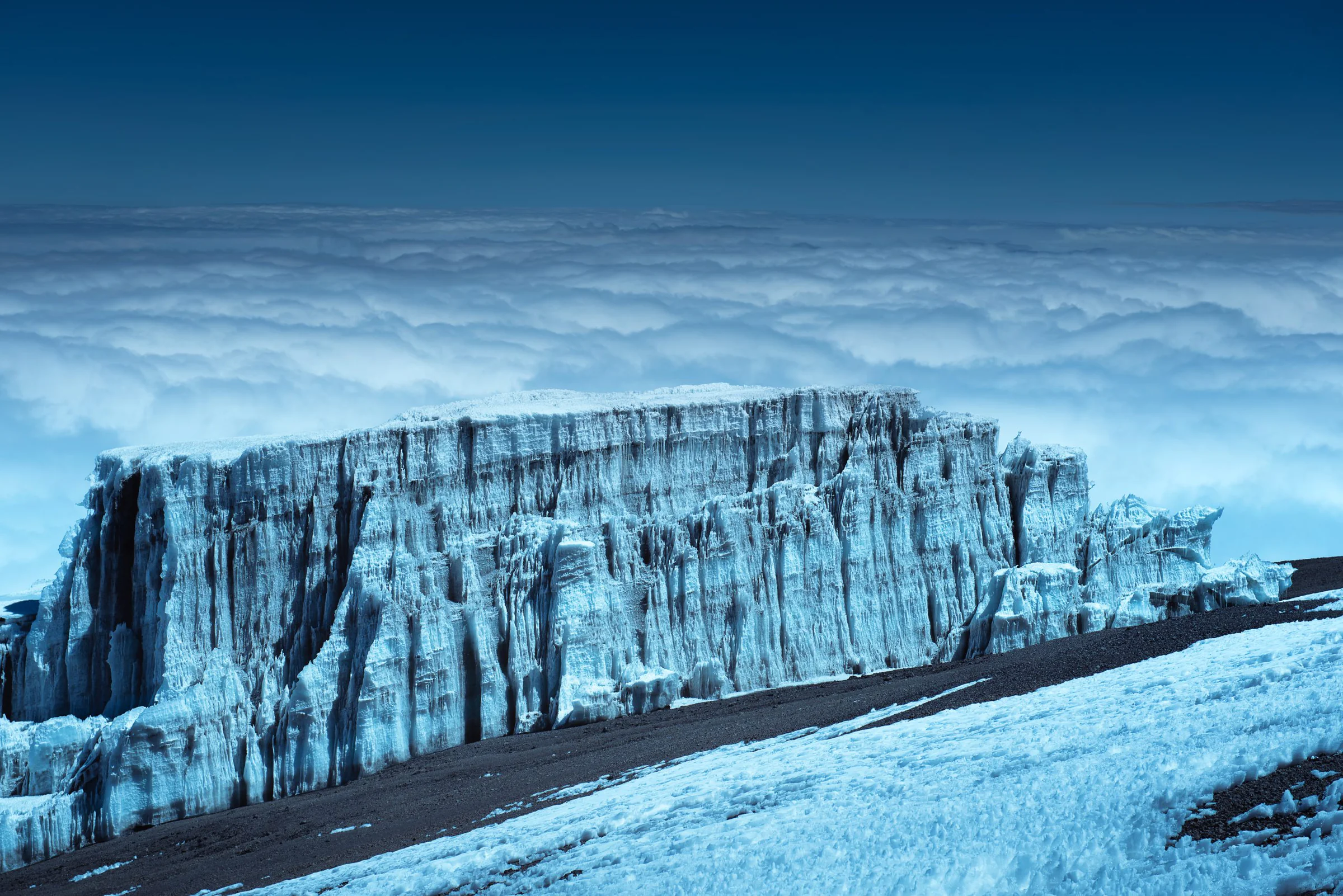
9 Days Northern Circuit Route
Ultimate acclimatization with highest success rate - perfect for slower hikers.
Navigate
Route Details
Route Highlights
The 9-day Northern Circuit offers the ultimate acclimatization with an extra day on the mountain. This route has the highest success rate and is perfect for those who want to take their time and enjoy the journey.
Why Choose This Route?
Ultimate acclimatization
Difficulty Breakdown
Moderate
Good fitness and some hiking experience recommended
Physical Requirements
- ✓Good fitness level
- ✓Ability to walk 6-8 hours per day
- ✓Some hiking experience preferred
- ✓Regular exercise routine
Challenges to Expect
- !Steeper sections
- !Longer days
- !Altitude effects
Training Recommendations
Cardiovascular Training
- • 3-4 times per week
- • 30-60 minutes per session
- • Hiking, running, or cycling
- • Include hill training
Strength Training
- • 2-3 times per week
- • Focus on legs and core
- • Squats, lunges, step-ups
- • Build endurance
Note: Altitude affects everyone differently. Even with excellent fitness, proper acclimatization is essential. Our 9-day itinerary is designed to maximize your chances of success through gradual altitude gain.
Detailed Day-by-Day Itinerary
Your Northern Circuit journey begins at Londorossi Gate (2,100m). After registration, drive to the trailhead and begin trekking through pristine montane forest. The trail is peaceful and remote, winding through ancient trees and dense vegetation. Look for wildlife including monkeys, forest birds, and signs of larger mammals. The atmosphere is magical with filtered sunlight through the canopy. Mti Mkubwa Camp (2,750m) sits in a forest clearing surrounded by towering camphor trees, offering a serene first night on Kilimanjaro.
Important Note
Significant elevation gain. Take time to acclimatize. Drink plenty of water and inform your guide if you experience any symptoms of altitude sickness.
Climb steadily as the forest transitions to moorland. Giant heather and volcanic rock become prominent as the canopy opens. Cross the Shira Ridge and emerge onto the expansive Shira Plateau with dramatic views opening in all directions. The walk becomes more exposed but the scenery is spectacular. Shira Camp 1 (3,500m) sits on the edge of the plateau with views toward Kibo Peak and back across the approach route. The sunset here paints the mountain in golden hues.
Important Note
Significant elevation gain. Take time to acclimatize. Drink plenty of water and inform your guide if you experience any symptoms of altitude sickness.
Trek northward across the Shira Plateau, diverging from other routes to follow the Northern Circuit path. The trail gradually ascends toward Kilimanjaro's remote northern slopes. Pass interesting volcanic formations and ancient lava flows. The landscape feels wild and untouched. Moir Hut (4,200m) sits dramatically beneath rocky cliffs in a scenic valley. The remoteness and beauty of this camp are exceptional. Spend the afternoon acclimatizing with optional short hikes to nearby viewpoints.
Important Note
Significant elevation gain. Take time to acclimatize. Drink plenty of water and inform your guide if you experience any symptoms of altitude sickness.
A crucial acclimatization day that significantly improves summit success. Take an acclimatization hike to higher elevation (4,500-4,600m) before returning to camp. The hike might include Lent Hills or other nearby peaks offering spectacular 360-degree views. See Kilimanjaro from different angles and enjoy the remote wilderness. The extra day allows your body to produce more red blood cells and adjust to altitude. Spend the afternoon resting, hydrating, and preparing for the days ahead. This extra acclimatization is a key reason for the Northern Circuit's 97% success rate.
Continue the northern traverse, trekking through remote alpine desert rarely seen by climbers. The trail passes through stark, beautiful landscape with views north to Kenya. Cross several ridges and valleys as you work eastward around the mountain. The solitude and wilderness feel are unmatched on Kilimanjaro. Pofu Camp (4,020m) sits in a sheltered valley providing good protection from wind. The camp is basic but the location is spectacular and remote. Your body continues excellent acclimatization through gradual altitude exposure.
Continue around Kilimanjaro's northern slopes through beautiful alpine desert. The landscape is austere yet captivating with unique volcanic formations. The remote trail offers a true wilderness experience far from busier routes. Begin approaching the junction with the Rongai Route. Third Cave Camp (3,936m) offers relatively good shelter in a protected location. The slightly lower elevation before the final push to School Hut provides excellent acclimatization preparation. This well-paced ascent profile is optimal for summit success.
Trek across the famous "Saddle," the high-altitude desert between Mawenzi and Kibo peaks. The lunar-like landscape is covered in volcanic scree with no vegetation. Views are spectacular with both peaks visible. The altitude is very noticeable - walk slowly and breathe deeply. School Hut (4,750m), also called Kibo Hut, sits at the base of Kibo's summit cone. This is your final camp before the summit attempt. After arrival, rest, hydrate thoroughly, check all equipment, eat dinner early, and sleep before the midnight summit push. The eight days of careful acclimatization have prepared you well.
Important Note
Significant elevation gain. Take time to acclimatize. Drink plenty of water and inform your guide if you experience any symptoms of altitude sickness.
Begin the summit push around midnight. Despite the challenge ahead, you're well-acclimatized after eight days on the mountain. Climb slowly and steadily through darkness toward Gilman's Point (5,681m) on the crater rim. The scree is steep but your preparation pays off. Reaching Gilman's Point at sunrise reveals spectacular views of glaciers and the crater bathed in golden light. The final push along the crater rim to Uhuru Peak (5,895m) is challenging but achievable. Standing on Africa's highest point after the longest route is incredibly rewarding! Descend past School Hut to Barafu Camp briefly, then continue to Mweka Camp (3,100m). The long day requires stamina but feels triumphant.
Important Note
Significant elevation gain. Take time to acclimatize. Drink plenty of water and inform your guide if you experience any symptoms of altitude sickness.
Summit Day Tips
- Start very early (midnight to 2 AM)
- Dress in warm layers
- Bring headlamp with extra batteries
- Stay hydrated and maintain slow, steady pace
The final descent takes you through lush montane rainforest to Mweka Gate. The forest is alive with birds and monkeys - a beautiful contrast to the summit's barren landscape. The trail can be muddy but is manageable. As you descend, breathing becomes easier and the air warmer. Reflect on your incredible journey - the longest route with the highest success rate. At Mweka Gate (1,640m), sign out and receive your gold summit certificate. Your transport returns you to your hotel for a well-deserved celebration. You've conquered Kilimanjaro via the ultimate route!
Professional Mountain Guides
Serengeti Times Luxury Safaris employs the finest talent for Kilimanjaro expeditions. Our guides and their mountain crews are true professionals who have led hundreds of successful climbs.
Seasoned mountain professionals
Wilderness First Responders
What's Included
- ✓All meals and accommodation during the trek
- ✓Professional mountain guides and porters
- ✓National park fees and climbing permits
- ✓Emergency oxygen and comprehensive first aid kit
- ✓High-quality camping equipment
- ✓Two medical check-ups daily for altitude monitoring
Route Map
Loading map...Why This Route
Ultimate acclimatization
Choose Your Perfect Duration
We offer three different itineraries for this route. Compare them below to find the best option for your fitness level and schedule.
9-Day Itinerary Details
Why Choose 9 Days?
Considerations
Ready to book the 9-day itinerary?
Expert Tip
For first-time climbers, we strongly recommend the 7 or 8-day itinerary. The extra acclimatization time significantly increases your chances of reaching the summit and makes the experience more enjoyable. The 6-day option is better suited for experienced high-altitude trekkers.
9 Route - Summit Success Rate
We've gathered detailed statistics on all Kilimanjaro routes over the years. Here are the success rates for reaching the Crater Rim and Uhuru Peak on the 9 route.
Crater Rim
of our climbers reach the Crater Rim (5,685m / 18,652ft)
Uhuru Peak
of our climbers reach Uhuru Peak (5,895m / 19,341ft)
Total Climbers
successful summits with Serengeti Times Luxury Safaris since 2015
Success Rates by Itinerary Duration
Based on data from thousands of our climbers
| Itinerary | Crater Rim Success | Uhuru Peak Success |
|---|---|---|
Lemosho 6-day | 85.5% | 84.1% |
Lemosho 7-dayBEST | 96.5% | 94.9% |
Lemosho 8-day | 95% | 93.8% |
Why Our Success Rates Are Higher
Optimal Acclimatization
Our itineraries are designed for maximum acclimatization, with gradual altitude gain and strategic rest days.
Experienced Guides
All our guides have 7+ years of experience and undergo regular training in wilderness first aid and high-altitude medicine.
Superior Equipment
We provide high-quality camping equipment, emergency oxygen, and comprehensive medical kits on every climb.
Twice-Daily Health Checks
Our guides monitor oxygen saturation and vital signs twice daily to catch altitude issues early.
Nutritious Meals
Our mountain cooks prepare fresh, high-calorie meals to keep your energy levels up and support acclimatization.
Flexible Pacing
We maintain the "pole pole" (slowly, slowly) philosophy, allowing your body time to adapt to the altitude.
⚠️Important Note
Why the 8-day option has a slightly lower success rate: The reason lies in the type of climbers it attracts. Many trained hikers choose the 6-day trek and, thanks to their skills, reach the summit despite the greater difficulty. In contrast, the 8-day trek is popular among beginners with no trekking experience at high altitudes. This lack of experience makes the climb more challenging for them, even on the route option that offers a better acclimatization profile.
Kilimanjaro Packing List
Get your gear ready! Here's a comprehensive checklist of everything you'll need for your Kilimanjaro adventure.
Important Packing Tips
- • Weight limit: Porter duffel bags are limited to 15kg (33 lbs)
- • Layering is key: Weather changes dramatically from base to summit
- • Break in boots: Wear your hiking boots for at least 50 miles before the trek
- • Test your gear: Make sure everything works before you arrive in Tanzania
Don't Have All the Gear?
No worries! We offer high-quality gear rental services for all essential items including sleeping bags, trekking poles, and clothing.
- ✓High-quality, well-maintained equipment
- ✓Competitive rental prices
- ✓Reserve in advance or rent on arrival
Popular Rental Items
Join Our Group Departures
Choose from our scheduled group climbs and join fellow adventurers on your journey to the summit
No Group Departures Scheduled
This tour is available as a private departure on your preferred dates.
Request Private DepartureFrequently Asked Questions
Got questions? We've got answers! Here are the most common questions about climbing Kilimanjaro.
Still Have Questions?
Our expert team is here to help! Reach out and we'll get back to you within 24 hours.
What Our Travelers Say
Hear from adventurers who have experienced this amazing journey with Serengeti Times
"Outstanding experience! The guides were professional and the organization was flawless."
"Best decision ever! Serengeti Times Luxury Safaris made our dream adventure come true."
"Incredible journey with amazing guides. Highly recommend Serengeti Times Luxury Safaris!"
Ready to Start Your Adventure?
Get in touch with our expert team. We're here to help you plan the perfect Tanzanian experience.